The close of an Environmental Study Tour of the Western Region by the Ghana Armed Forces Command and Staff College – Junior Division, Junior Staff Course 86 (JSC 86), has highlighted the growing connection between environmental management, economic development and national security.
The Western Regional Minister, Hon. Joseph Nelson, joined officers of JSC 86 at a debrief and dinner reception marking the conclusion of the tour, which exposed the officers to key environmental and development challenges across the Region.
The Minister noted that issues including illegal mining, land reclamation, forest conservation, watershed protection, water pollution, cash-crop production and climate resilience extend beyond environmental concerns to matters of resource governance and human security.
With its deposits of gold and manganese, oil and gas resources, forests, agricultural lands, fisheries and extensive coastline, the Western Region occupies an important position in Ghana’s economic landscape. The Minister stressed, however, that such natural wealth also carries responsibilities for protecting livelihoods, investment, social stability and future generations.
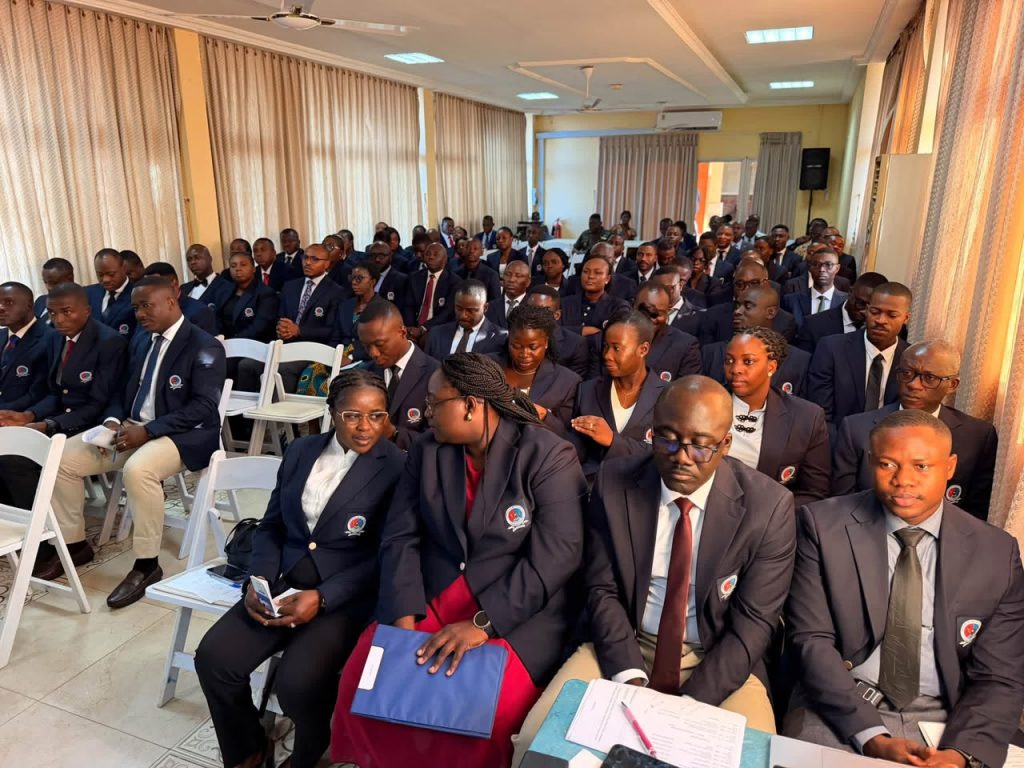
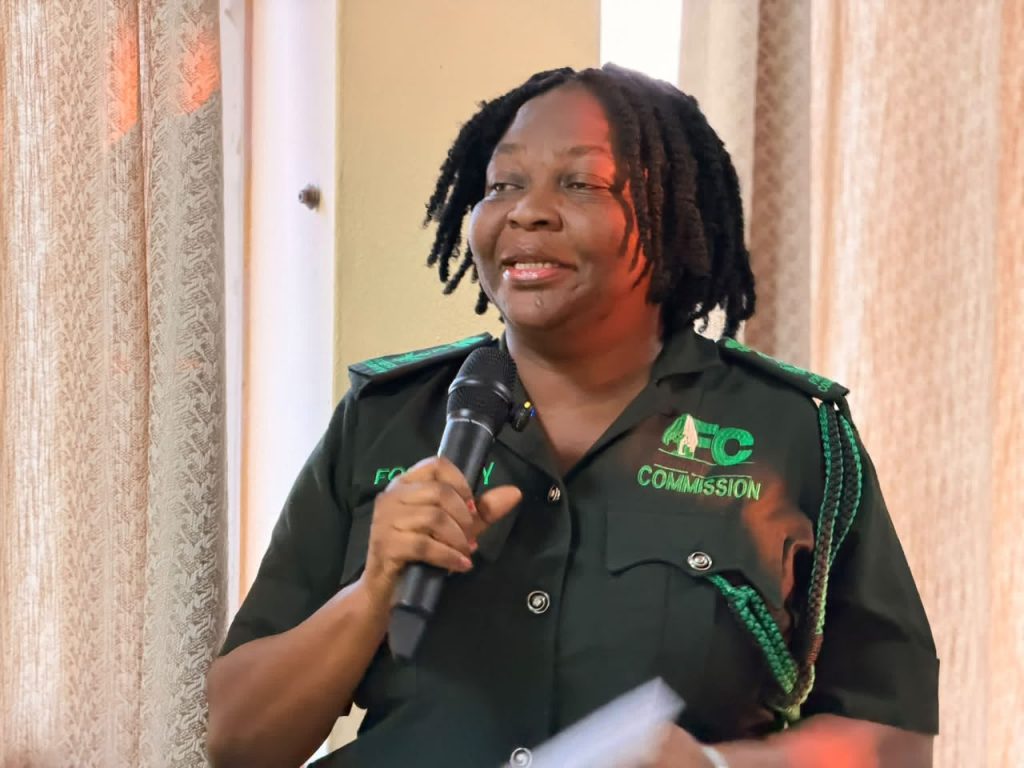

He said the study tour provided officers preparing for command and staff responsibilities with an opportunity to connect environmental realities on the ground with the broader security architecture of the country.
For the Western Regional Coordinating Council, the engagement also reinforced the importance of coordinated action involving security agencies, MMDAs, traditional authorities, communities and other stakeholders in addressing complex regional challenges.
The Minister stressed that the lessons from the tour should extend beyond the exercise itself and contribute to stronger institutional coordination and more effective responses to environmental and resource-management challenges.


In a resource-rich region, protecting the environment is not merely an ecological responsibility; it is an economic, social and national security imperative.
